


Hyaluronic Acid Lip Filler
Your lips have thinned over the years or their contour is fading, and you would like to regain a little volume while still looking like yourself. Hyaluronic acid lip filler can make them fuller and better define their contour. If dryness is what mainly bothers you, the need is different: a filler gel is not a lip balm.
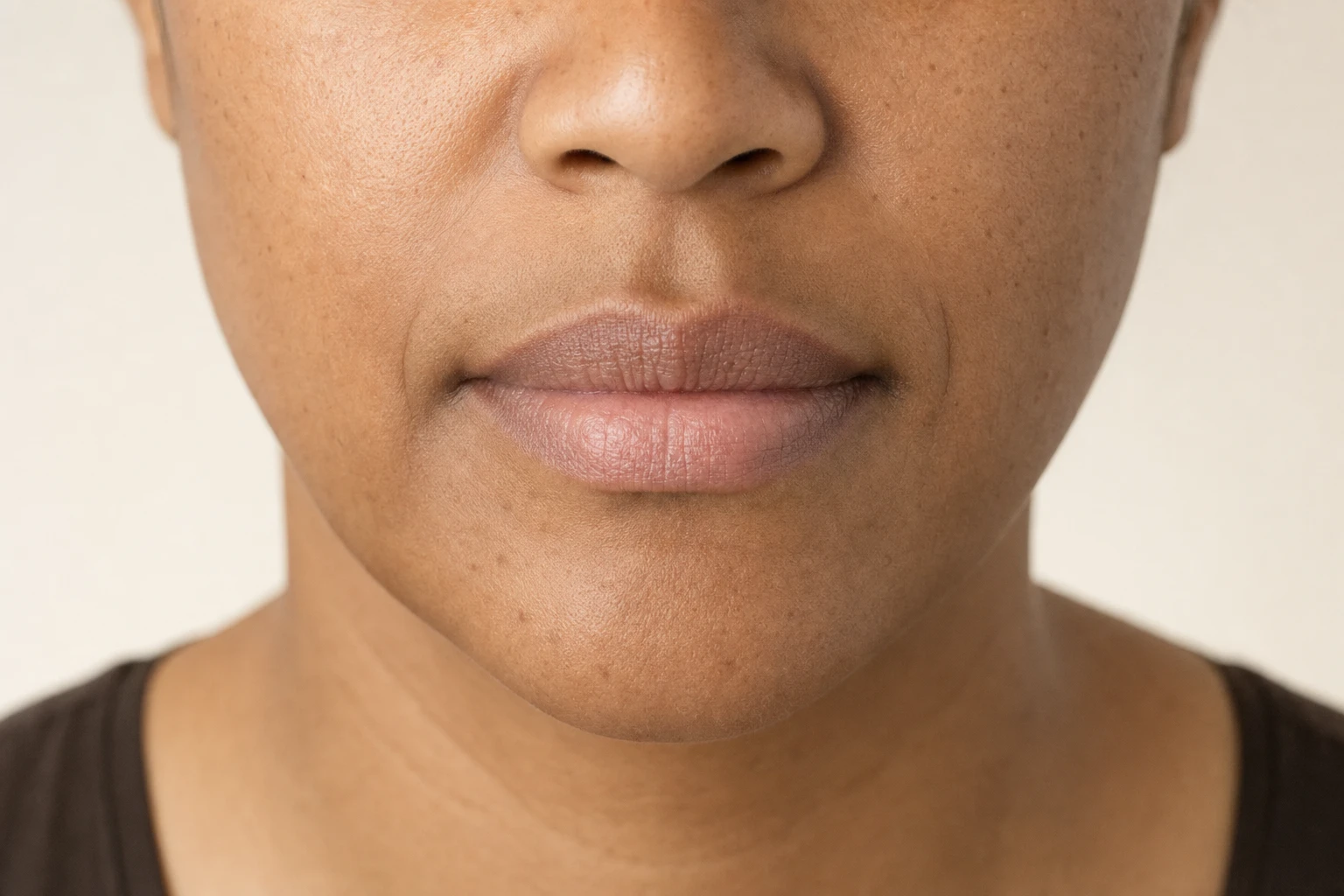
At a glance
Five things to know before deciding- What it provides: volume and a better-defined contour; the gel retains water in the tissues, without guaranteeing that your lips will be less dry.
- Result: the aim is a natural appearance, while respecting your anatomy; it is not guaranteed.
- Swelling: common after the injection; it can last from a few days to a few weeks.
- Duration: the effect is temporary; in the lips, the gain in volume can still be present after six months. The gel is absorbed by the body and can be dissolved.
- Before any treatment: a medical assessment, which can lead to postponing or changing the injection, or to the doctor deciding not to perform it.
What the Injection Can Change: Volume, Contour, Hydration
The injection uses a gel made of hyaluronic acid, a substance naturally present in the skin that retains water. The gel is a hyaluronic acid dermal filler: it is placed in the tissues to change their shape. In the lips, it can address a volume or contour goal. Hydration needs to be considered separately.

- Volume
-
Fuller lips, known as lip augmentation. The gel adds fullness to the tissues; the change you are looking for depends on the volume you already have and the volume you want to regain.
- Contour
-
The gel can better define the border of the coloured part of the lips, called the vermilion, and the area around the mouth. The commissure, the small corner where the lips meet, can also be involved. The doctor examines these landmarks to see what can be changed.
- Hydration
-
Hyaluronic acid binds water in the tissues, which contributes to their hydration and suppleness. This mechanism does not guarantee that your lips will be less dry after the injection. A balm or an ointment works on the surface; it is not used for the same purpose as filler.
Plump lips do not mean the same thing to everyone. You may want to regain volume, make the contour more defined or simply relieve dry lips. Say what you want to change and what should remain familiar about your face. This helps the doctor understand your expectations, but it does not on its own determine the gel or the amount to inject.
A Natural Result: What It Depends On
The aim is a natural result, in both how the lips look and how they feel, but it cannot be guaranteed. The result depends on the structure of your tissues, the area injected, the gel chosen and the volume injected. For your lips to retain their familiar appearance, your expectations need to take their anatomy into account. During the assessment, the doctor explains what the injection can change and where its limits are.
The first few days do not show the final result: swelling changes how the lips look, and the volume can still change after the treatment. What you see right after the injection is therefore not necessarily what will remain once the swelling has gone down.
The best hyaluronic acid for your lips is not chosen based on a product name. The gel is chosen during the assessment, based on your lips and the change you are looking for.
How Long the Effect Lasts
The effect is temporary, because the body gradually absorbs the gel. In the lips, the gain in volume can still be present after six months, then decrease over time. How long it lasts varies from person to person, depending on the tissues and the gel used.
For hyaluronic acid fillers in general, across all areas, the effect can last from six months to a year or more. This range is not a guaranteed duration for your lips: the area injected also matters. If you want to maintain the result, the injection can be repeated when the effect fades; you and the doctor decide how often.
Dissolving Hyaluronic Acid in the Lips
Unlike permanent filler materials, hyaluronic acid gel can be dissolved with a prescribed treatment. The possibility of dissolving the gel has contributed to its popularity. Removing another material, especially a permanent one, can be difficult or even impossible.
The doctor can use dissolution to correct excess gel, misplaced gel, certain lumps under the skin or a hypersensitivity reaction. They can also use it in an emergency when the gel blocks a blood vessel. If you are not happy with the result, dissolution is an option to discuss with the doctor: they decide whether it is appropriate, when and at what dose. The correction is not guaranteed, and a second treatment is sometimes needed.
Swelling in the Days That Follow
Swelling, called edema, is common after a lip filler injection. The lips can also be tender, with bruising, known as ecchymosis. These effects are most often mild to moderate, but how long they last is not the same for everyone.
Unusual pain, a change in vision, or white, grey or blue skin near the injection site must not be attributed to ordinary swelling. These signs require immediate medical care, even if there is no swelling.
- Usual duration
-
Swelling and bruising can subside within a few days to a few weeks. A precise timeline cannot be set for your lips before the treatment.
- When swelling lasts longer
-
Swelling and tenderness can last more than two weeks. If the swelling persists, gets worse or worries you, contact CARE MD; you do not have to wait two weeks before asking for help.
- To reduce swelling
-
Ask the doctor whether applying cold is appropriate, how to do so and what instructions to follow at home. The timing, pressure and method for applying a compress must be clarified with the doctor; do not improvise.
- What to avoid after the injection
-
Before you leave, ask for CARE MD's instructions on eating and resuming activities, including exercise. Also ask when you will be able to resume social activities if swelling or bruising bothers you.
- A lump under the skin
-
It can be caused by excess gel or gel placed too close to the surface. A persistent lump needs to be examined; if it is caused by the gel or its placement, the doctor can discuss dissolving it. This is not the same decision as for swelling that lasts.
Risks Specific to Lip Filler
Lip filler is a medical procedure, and this area has its own risks.
- Expected effects
-
Swelling, pain, redness, bruising, tenderness and itching.
- Infection and allergic reaction
-
These are rarer but more serious. Inflammation can also appear near the injection site after a viral or bacterial illness, a vaccine or dental treatment.
- Cold sore reactivation
-
If you have had cold sores before, needle trauma can reactivate the herpes virus, especially around the mouth. This risk is rare. Mention your history of cold sores: the doctor checks, in particular, whether there is a lesion. If an infection is active, the injection is postponed until it has fully healed.
- Injection into a blood vessel
-
This is the most concerning complication. It is rare, but the gel can block a blood vessel, with serious and sometimes permanent consequences: tissue death, called necrosis, vision problems up to and including blindness, or stroke. In an emergency, the doctor can use a prescribed treatment that dissolves the gel.
Seek care right away
During or shortly after an injection: unusual pain, a change in vision, white, grey or blue skin near the injection site, or a sign of stroke (sudden difficulty speaking, numbness or weakness in the face, arms or legs, difficulty walking, a drooping face, a severe headache, dizziness or confusion). These signs require immediate medical care; do not attribute them to ordinary swelling.
Why a Medical Assessment Comes Before the Injection
The doctor looks at your lips, understands what you want to change and checks what your anatomy allows. The assessment can lead to offering the injection, but also to postponing it, deciding not to perform it or suggesting another option. Among cosmetic injections, not every procedure serves the same purpose: adding volume is not the same as relaxing a muscle. The choice is based on what the doctor observes, not on the name of an injection.
Also talk to the CARE MD team about anything related to your health, even if it seems unrelated to your lips:
The assessment does not guarantee a result. It allows you and the doctor to decide whether the injection is appropriate for your lips, your health and your expectations.
- Cold sores
-
Mention your history of cold sores. The doctor will check whether there is a lesion and tell you whether the treatment needs to be postponed; having had a cold sore in the past does not by itself determine whether it is postponed.
- Allergies
-
Mention them, including an allergy to lidocaine, which some gels contain, or to the components of bacterial origin from which some hyaluronic acid gels are made.
- Bleeding and treatments
-
Tell the doctor about any blood clotting disorders and bring a list of your medications, vitamins and supplements.
- Medical history
-
Let the doctor know about your previous procedures and injections, as well as any cosmetic treatments you have already had.
- Pregnancy and breastfeeding
-
Tell the doctor if you are pregnant or breastfeeding; the safety of fillers has not been established in these situations.
- Your questions
-
Ask what the injection can reasonably change for you, how long the effect can last, which risks are relevant to you and what is possible if you are not happy with the result.
What Can Be Done Without an Injection?
Surface care has its uses. A non-irritating balm applied several times a day, or a thick ointment if the lips are very dry, helps retain water and protect the surface. With this care, chapped lips usually improve within two to three weeks.
A balm does not place gel in the tissues to increase the volume of the lips or reshape their contour. A device described as "needle-free" is not surface care either: it can push a product beneath the surface. Do not use a filler product or an injection device at home. In the United States, no over-the-counter filler product or needle-free injection device is approved for these uses.
Lips that are mainly dry therefore need surface care; a volume or contour goal is discussed during the assessment. CARE MD helps you tell these needs apart before deciding on an injection.
Ask Us Your Questions About Lip Filler
Frequently Asked Questions
Swelling after lip filler: what to expect and how long it lasts
Swelling, called edema, is common after lip filler, along with tenderness and sometimes bruising. It can last from a few days to a few weeks. Before you leave, ask CARE MD how to reduce it, whether applying cold is appropriate and what instructions to follow for eating and resuming activities. If the swelling persists, gets worse or worries you, contact CARE MD without waiting a specific number of days. A persistent lump also needs to be examined: if it is caused by excess gel or by the gel's placement, the doctor can discuss dissolving it. Unusual pain, a change in vision, or white, grey or blue skin near the injection site requires immediate medical care, even without swelling.
Sources4 references
How long does hyaluronic acid lip filler last?
The effect is temporary: in the lips, the gain in volume can still be present after six months, then decrease. How long it lasts varies depending on your tissues and the gel used, which the body gradually absorbs. For hyaluronic acid fillers in general, across all areas, the effect can last from six months to a year or more; this range is not a guaranteed duration for the lips. If you want to maintain the result, you and the doctor decide how often to have injections.
Sources3 references
Can hyaluronic acid be removed from the lips?
Yes: a prescribed treatment breaks down the gel and makes it possible to dissolve it. The doctor can use it to correct excess gel, misplaced gel, certain lumps under the skin or a hypersensitivity reaction, and in an emergency when the gel blocks a blood vessel. They decide whether dissolution is appropriate, when and at what dose. The correction is not guaranteed: a second treatment is sometimes needed.
Sources1 reference
Does lip filler give a natural result?
The aim is for the lips to look and feel natural, but this cannot be guaranteed. The result depends on the structure of your tissues, the area injected, the gel and the volume injected. The first few days do not show the final result: swelling changes how the lips look, and the volume can still change. During the assessment, the doctor explains what is realistic for your lips.
Sources3 references
What signs after lip filler require immediate medical care?
Unusual pain, a change in vision, white, grey or blue skin near the injection site, or a sign of stroke (sudden difficulty speaking, numbness or weakness in the face, arms or legs, difficulty walking, a drooping face, a severe headache, dizziness or confusion). These signs can occur during or shortly after the injection, in particular if the gel blocks a blood vessel. They require immediate medical care, even if there is no swelling.
Sources1 reference
Can you get fuller lips without an injection?
A balm or an ointment hydrates and protects the surface; chapped lips usually improve within two to three weeks with this care. This care does not place gel in the tissues to increase the volume of the lips or reshape their contour. A device described as "needle-free" can push a product beneath the surface: do not use one to inject yourself with filler at home. In the United States, no over-the-counter filler product or needle-free injection device is approved for these uses. A volume or contour goal is discussed with the doctor during the assessment.
Sources2 references
What should you bring to the medical assessment before lip filler?
Tell the doctor about any history of cold sores and any lesion you currently have, your allergies, including to lidocaine, and any bleeding disorders. Bring a list of your medications, vitamins and supplements, as well as information about your previous procedures and injections. Also tell the doctor if you are pregnant or breastfeeding: the safety of fillers has not been established in these situations. Come with your questions about what the injection can change, how long the effect lasts and the risks. The doctor can offer the injection, postpone it, decide not to perform it or suggest another option.
Sources3 references
Sources10 references+
- Dermal Fillers (Soft Tissue Fillers) — FDA (opens in a new tab)
- Health Canada — Cosmetic injections (opens in a new tab)
- Hyaluronic Acid Is an Effective Dermal Filler for Lip Augmentation: A Meta-Analysis (Frontiers in Surgery, 2021) (opens in a new tab)
- A prospective, open-label, multicenter, observational, postmarket study of the use of a 15 mg/mL hyaluronic acid dermal filler in the lips (J Cosmet Dermatol, 2014) (opens in a new tab)
- Assessment of the Efficacy and Safety of Hyaluronic Acid Gel Injection in the Restoration of Fullness of the Upper Lips (J Cutan Aesthet Surg, 2017) (opens in a new tab)
- Dissolving Hyaluronic Acid Gels: When It Is Used and Its Limitations — JMIR Dermatol, 2024 (opens in a new tab)
- Comparison of 2 Fillers for Lip Injection—A Randomized-Controlled Clinical Trial Assessed by 3D Imaging (Aesthetic Surgery Journal Open Forum, 2024) (opens in a new tab)
- Guideline for the Management Herpes Simplex 1 and Cosmetic Interventions (J Clin Aesthet Dermatol, 2021) (opens in a new tab)
- Fillers: Preparation — American Academy of Dermatology (opens in a new tab)
- 7 dermatologists' tips for healing dry, chapped lips — American Academy of Dermatology (opens in a new tab)
Lip Filler: Limitations and Precautions
Everyone is different: during the assessment, the doctor determines what is appropriate for you.
Limitations and precautions
Swelling, pain, redness and bruising are expected; infection and allergic reactions are rarer but more serious.
Mention your history of cold sores: the needle can reactivate a cold sore. If there is an active infection, the injection is postponed until it has fully healed.
Injection of the gel into a blood vessel is rare, but can cause necrosis, vision problems or a stroke, with consequences that are sometimes permanent.
Unusual pain, a change in vision, white, grey or blue skin near the injection site, or a sign of stroke requires immediate medical care, even if there is no swelling.
Medical advice is needed for swelling that persists, gets worse or worries you, and for a persistent lump; whether to dissolve a lump depends on its cause.
The safety of fillers has not been established during pregnancy and breastfeeding.
Tell the doctor about your allergies, bleeding disorders, medications, supplements and previous cosmetic treatments.
Ask for CARE MD's instructions on applying cold, eating and resuming activities. Do not inject yourself with a filler product at home.
A natural result is the aim, but it is not guaranteed: it depends on your anatomy, the area injected, the gel and the volume injected.
The effect is temporary. If you want to maintain it, you and the doctor decide how often to have injections.
The first few days do not show the final result: the swelling goes down and the volume can still change.
A prescribed treatment can dissolve the gel, but the correction is not guaranteed.
The gel retains water in the tissues; this does not guarantee that the lips will be less dry.
A balm works on the surface; it does not place gel in the lips to increase their volume or reshape their contour.
