


SKIN
Under-Eye Bags: Is There a Miracle Cure?

One morning, the area under your eyes looks puffier. You think of a cool cloth or a cream, but you hesitate to try a homemade mixture so close to your eye. Is there a miracle cure for under-eye bags? Fluid can contribute to puffiness, but fat and sagging skin can also form this bulge. This difference is what matters before you choose what to try.
In Brief
- Key point: Fluid, fat and sagging skin can contribute to under-eye bags. A change when you wake up is not enough to identify their cause.
- Simple measures: A clean cloth moistened with cool water, enough sleep, less salt and a slightly raised head at night are among the possible measures.
- Caffeine: With a 3% caffeine gel, the reduction in puffiness was not significantly different from that obtained with its gel base. This result does not apply to all creams.
- How well your skin tolerates products: Your skin can become red, itchy or swollen after using a cosmetic product. Concentrated essential oils can cause severe irritation, skin burns or an allergic reaction.
- Medical advice: Vision problems, irritation, headaches or a rash occurring with the puffiness must not be handled as merely a cosmetic concern.
Home Remedies for Under-Eye Bags: What Helps and What Makes No Difference
Morning Puffiness or a Persistent Under-Eye Bag: What Is Yours Made Of?
Over time, the skin under the eye can sag. The fat that normally surrounds the eye can also move forward into the area under the eye. Fluid can build up in this area and make it look puffy. Fluid retention can occur in particular when you wake up or after a salty meal. Lack of sleep and allergies can contribute to under-eye bags, which can also be hereditary.
These causes of under-eye bags can occur together. The presence of fluid does not rule out a contribution from fat or skin. Notice whether the puffiness is occasional or constant, and what seems to make it better or worse: this is useful information for the examination, not a diagnosis to make in front of the mirror.
Reduced puffiness does not mean that fat has been removed. To choose what to do, you need to distinguish fluid buildup from a bulge related to the tissues; the same expectations do not apply to every under-eye bag.
Applying Cold, Sleep, Salt and Keeping Your Head Raised: What Can Reduce Temporary Puffiness
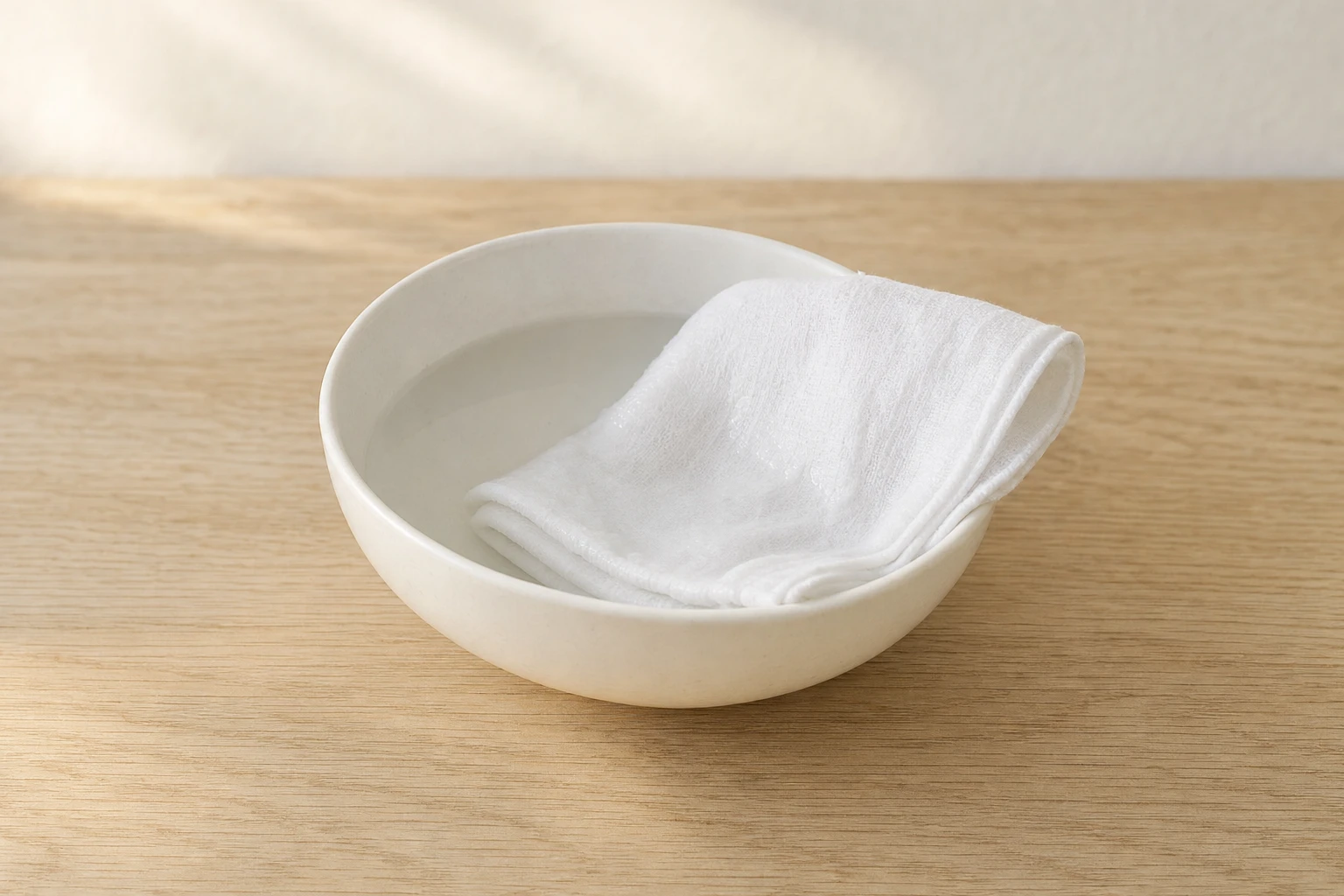
To make a compress, wet a clean cloth with cool water. While sitting, place it on the skin under and around your eyes for a few minutes, pressing lightly. The idea is to rest the cloth on your skin, not to massage the area or press on the eye.
Getting enough sleep is also among the possible measures; seven to nine hours is appropriate for most adults. During sleep, keeping your head slightly raised can limit fluid buildup around the eyes. You can use an extra pillow or slightly raise the head of the mattress.
Limiting salt can reduce the fluid retention that contributes to under-eye bags. This advice is not an invitation to follow a strict diet or to restrict how much water you drink. If you suspect an allergy, talk to a pharmacist or a doctor rather than choosing a treatment on your own.
Reducing puffiness quickly is not the same as making the bulge disappear. Keep the compress on for a few minutes; do not aim for bags to disappear “in five minutes” or for the effect to last a specific length of time. Start with one simple measure and see what changes, without adding product after product near the eye.
Creams, Gels and Patches: What Can You Expect From Them?
A “de-puffing” claim on the label does not make a cream, a gel and a patch interchangeable. A result applies to one formula and what it actually changes under the eyes: the appearance of wrinkles or dark circles is not the same as the puffiness of a bag.
For puffiness related to lack of sleep, the reduction obtained with a 3% caffeine gel was not significantly different from that obtained with its caffeine-free base. The word caffeine alone is therefore not enough to choose a better product. This result applies to this formula, not to all creams.
With a patch combining caffeine, vitamin K and emu oil, an improvement in wrinkles and dark circles is possible after four weeks. This does not show that it reduces the puffiness of under-eye bags. The formula also contains ingredients other than caffeine: the effect of caffeine cannot be isolated from this result, and the result does not justify choosing just any patch sold as “de-puffing”.
Whether or not a product is sold “for men”, look at the stated use and the claimed effect rather than a promise that bags will disappear. How well your skin tolerates a product provides a practical guide: if your skin becomes red, itchy or swollen, stop using the product. A reaction is not a sign that it is working better.
The coolness of a cloth tells you nothing about the effect of a home device. Before using a device under the eye, have its intended use and precautions checked; do not assume that a technique used in a clinic applies to a device bought for home use. When simple measures do not address your concern, choosing a treatment for under-eye bags starts with an assessment of what forms the bulge, without assuming that a treatment is right for you.
Massage, Lymphatic Drainage and Facial Exercises
Trying to “drain” a bag assumes that it contains fluid that can be moved. Yet fluid is only one of the possible components: fat and skin can also contribute to the bulge. Do not approach every bag as a buildup of water.
A cool compress is placed on the skin with light pressure; it does not involve moving or massaging the tissues. Do not turn this measure into drainage under the eye.
Face yoga, facial gymnastics and exercises make the face move: they are not variations of the cool compress. Do not choose them in the hope of removing the fat that contributes to the bulge. If you want to have this area massaged, first ask for advice suited to your situation rather than copying a technique found online.
Traditional Home Remedies and DIY Tips: What Has Been Shown, What Has Not and What Is Risky
A clean cloth moistened with cool water is a simple measure to try, with no kitchen ingredients. An ice cube, an ice-cold spoon or a cucumber preparation cannot necessarily be used the same way as a cool cloth: stick with this simple measure rather than replacing it with a homemade mixture.
A concentrated essential oil applied directly to the skin can cause severe irritation, skin burns or an allergic reaction. Caution is especially necessary around the eyes. This risk concerns concentrated essential oils; it must not be assumed that all plant oils carry the same risk.
Castor oil and sweet almond oil are two different products. Do not choose either one to make a bag disappear based solely on the idea that an oil is gentle. For each, have its intended use near the eye and its composition checked before considering applying it. The same goes for arnica and cornflower water: their name alone is not enough to choose a product for this area. Whatever the cosmetic product, stop using it if your skin becomes red, itchy or swollen.
Baking soda and toothpaste are not products to try in a homemade mixture under the eye. Before using anything in this area, ask a pharmacist or a doctor for advice. Do not repurpose a hemorrhoid cream by applying it around the eyes either. To reduce puffiness, stick with the clean cloth moistened with cool water instead.
Coffee grounds are not a gel formulated with caffeine: a result obtained with a gel does not justify applying coffee grounds under the eye. As for homeopathy, it must not replace medical advice when a symptom accompanies the puffiness. “Natural” is neither a sign that a product will be well tolerated nor a reason to wait before seeing a doctor.
When to Seek Medical Advice Instead of Continuing With Remedies
Medical advice before remedies
If the puffiness comes with vision problems, irritation, headaches or a rash, seek medical advice. These symptoms cannot be handled through a cosmetic consultation form alone.
If your skin becomes red, itchy or swollen after using a cosmetic product, stop using it. Ask for advice if the reaction worries you; do not add another remedy to correct it.
During the examination, mention how long the puffiness has been present, whether it is constant or occasional, and what seems to make it better or worse. This information helps clarify the cause and supports a discussion of whether a treatment is appropriate.
Discuss symptoms affecting the eye itself, a suspected allergy or infection, or a thyroid or kidney problem with a doctor, rather than trying to address them by choosing a cosmetic product.
If Remedies Are Not Enough
A bag can combine several components; a measure that reduces fluid does not necessarily address a concern related to a bulge caused by fat or skin. The assessment is an opportunity to make this distinction before choosing an option.
You can also choose not to buy anything and not to undergo any cosmetic treatment. If you have a worrying symptom, medical advice comes first. For a persistent cosmetic concern, CARE MD, in Sainte-Thérèse, on Montreal's North Shore, offers a Global Aesthetic consultation to discuss it, with no promised result and no obligation to buy.
Home Remedies Near the Eye: Limitations and Precautions
A cool compress or a change in habits is meant to reduce the appearance of puffiness under the eyes. These measures are neither a diagnosis nor a treatment for the eye.
The compress is placed on the skin with light pressure; this advice is not an eye massage technique.
A concentrated essential oil can cause irritation, a skin burn or an allergic reaction. This risk does not apply to all plant oils.
Do not repurpose a product intended for another use, and do not prepare a homemade mixture to apply under the eye.
If your skin becomes red, itchy or swollen after using a cosmetic product, stop using it.
Seek care right away
Vision problems, irritation, headaches or a rash occurring with the puffiness require medical advice, separate from the cosmetic consultation.
Fluid, fat and sagging skin can contribute to the same bulge; the choice depends on what is causing it.
The few minutes given for the compress describe how to use it, not how long it takes for bags to disappear.
The result for the 3% caffeine gel applies to that formula; the result for the combination patch concerns wrinkles and dark circles, not bags.
Frequently Asked Questions
How can you reduce the puffiness of under-eye bags?
A clean cloth moistened with cool water, placed for a few minutes with light pressure on the skin under and around the eyes, can reduce puffiness. Getting enough sleep, limiting salt and keeping your head slightly raised overnight are also among the possible measures. Fluid, fat and skin can contribute to the bulge: reduced puffiness does not mean that fat has been removed. If it comes with a vision problem, irritation, headaches or a rash, seek medical advice.
What is the most effective product for under-eye bags?
The word caffeine alone does not make a product better. In volunteers who had not had enough sleep, the reduction in puffiness obtained with a 3% caffeine gel was not significantly different from that obtained with its caffeine-free base. With a patch combining caffeine, vitamin K and emu oil, an improvement in wrinkles and dark circles is possible; this does not show that it reduces the puffiness of under-eye bags. So check the claimed effect and the intended use under the eyes; stop using a cosmetic product if your skin becomes red, itchy or swollen.
What is the traditional home remedy for getting rid of under-eye bags?
A clean cloth moistened with cool water is a simple measure to reduce puffiness: place it on the skin for a few minutes with light pressure. Do not add baking soda, toothpaste or essential oil. A concentrated essential oil can severely irritate the skin, or cause a skin burn or an allergic reaction. Using a cloth in this way is not a method for removing an under-eye bag caused by fat.
Is there a miracle cream for under-eye bags?
A promise that bags will disappear is not enough to choose a cream. A bag can be due to fluid, fat or sagging skin; improving the appearance of the skin is not the same as removing fat. For puffiness caused by lack of sleep, a 3% caffeine gel did not do significantly better than its caffeine-free base. Before buying, check what the product is supposed to change and whether it is intended for this area; if your skin becomes red, itchy or swollen, stop using it.
How can you drain under-eye bags?
Do not assume that every bag is fluid to be drained: fat and skin can also form the bulge. A cool compress is placed with light pressure; it does not involve moving or massaging the tissues. To limit fluid buildup during sleep, keeping your head slightly raised is among the possible measures. If you are considering a massage under the eye, ask for advice suited to your situation rather than copying a manipulation technique.
Can you put baking soda, toothpaste or oils near the eye?
Do not try a homemade mixture containing baking soda or toothpaste under the eye; ask a pharmacist or a doctor for advice first. For oils, do not confuse a plant oil with a concentrated essential oil: the latter can cause severe irritation, skin burns or an allergic reaction, and calls for particular caution around the eyes. Stop using a cosmetic product if your skin becomes red, itchy or swollen. A vision problem or irritation occurring with the puffiness requires medical advice.
Sources7 references+
- Mayo Clinic — Bags under eyes: Symptoms and causes (opens in a new tab)
- Mayo Clinic — Bags under eyes: Diagnosis and treatment (opens in a new tab)
- Goldberg et al. — Components of under-eye bags (opens in a new tab)
- Journal of Applied Pharmaceutical Science — Caffeine gel and puffiness (opens in a new tab)
- Advanced Biomedical Research — Combination patch for the eye area (opens in a new tab)
- Maryland Poison Center — Essential oils (opens in a new tab)
- American Academy of Dermatology — Skin care product tolerance (opens in a new tab)

Let's Talk About Your Under-Eye Bags Before You Buy Anything
For a persistent cosmetic concern, you can request a Global Aesthetic consultation at CARE MD, in Sainte-Thérèse. No product purchase is required.